
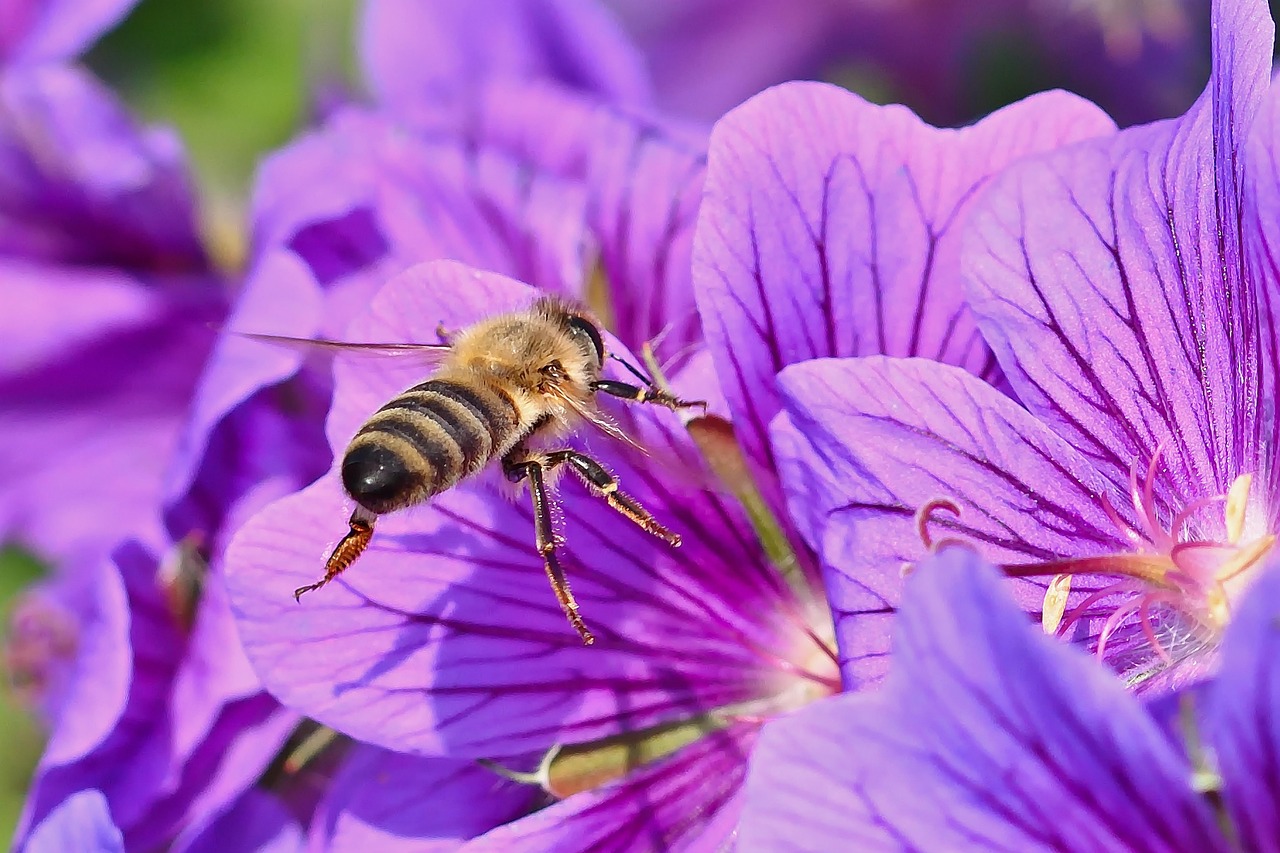
How long does a bee live?
How long does a bee live? Lifespan, cycle, and secrets of the hive
a short but essential life
From pollinating flowers to making honey, bees are true pillars of biodiversity. But did you know that their lifespan is surprisingly short... or very long, depending on their role in the colony?
In this article, let's dive into the heart of the hive to find out how long a bee lives and what factors influence its longevity.
Bee castes and their life expectancy
1. The worker bee: the driving force behind the colony
Worker bees are all non-reproductive females. They have multiple roles:
-
Clean the cells of the hive
-
Feed the larvae with pollen and royal jelly.
-
Producing wax to build honeycombs
-
Gathering nectar and pollen
-
Defending the hive against intruders
Lifespan:
-
In summer: only 4 to 6 weeks, because their intense activity (daily flights, harvesting, ventilating the hive) quickly wears out their bodies.
-
In winter: 4 to 6 months, as they remain indoors, feed on stored honey, and maintain warmth around the queen.
2. The queen: the mother of all bees
Recognizable by her larger size and elongated abdomen, the queen is the only bee capable of laying fertilized eggs.
She only leaves the hive for her nuptial flight, where she mates with several drones, then spends her life laying eggs.
Lifespan: 2 to 5 years, sometimes up to 7 years in ideal conditions.
Every day, she can lay up to 2,000 eggs, ensuring the survival and renewal of the colony.
3. The drone: the short-lived male
Lifespan: a few weeks to 2 months, until fall when it is expelled from the hive to preserve resources.
Factors that influence the lifespan of bees
1. The season and the weather
Mild winters prolong the life of workers, while intense summers reduce their life expectancy.
2. Availability of resources
An environment rich in nectar-producing flowers (lavender, lime tree, chestnut tree) enables the production of high-quality honey and ensures the bees remain healthy.
3. External threats
Pesticides, pollution, parasites such as varroa mites, and bee diseases significantly reduce their lifespan.
Complete life cycle of a bee
-
Egg – 3 days
-
Larva – 6 days, fed royal jelly then pollen and honey
-
Nymph – 12 days, transformation period
-
Adult – worker, queen, or drone, with different roles and lifespans
The importance of protecting bees
Without them, natural pollination would decline dramatically, jeopardizing many crops and wild plants.
Supporting local beekeeping, planting honey plants, and limiting pesticides are all simple ways to protect them.
Summary of lifespans
-
Worker: 4 to 6 weeks (summer) / 4 to 6 months (winter)
-
Queen: 2 to 5 years
-
Drone: a few weeks to 2 months
Discover our Ruche & Flore store:
Enjoy the incredible work of bees with our lavender honey, our organic lime blossom honey for a unique, natural taste experience.


