
Lavender Honey: Origin, Flavors, and Benefits of a Treasure
Lavender Honey: Origin, Flavors, and Benefits of a Treasure
Introduction
Lavender honey is undoubtedly one of France's most iconic honeys. Harvested in the lavender fields of Provence in the height of summer, it captivates with its delicate fragrance, creamy texture, and inimitable taste. A true local product, it combines beekeeping tradition, gastronomy, and natural well-being. In this article, discover everything you need to know about lavender honey: its origins, its unique characteristics, its uses in cooking, and its benefits, which have been recognized for generations.
Origin of lavender honey
A typical Provençal honey
Lavender honey is produced mainly in Provence, in the south of France, where vast fields of lavender stretch as far as the eye can see. Bees gather nectar from the flowers of Lavandula angustifolia (fine lavender) and lavender aspic, two varieties characteristic of the region.
A summer harvest
Flowering takes place between late June and early August. This is when beekeepers set up their hives in the lavender fields to allow the bees to forage abundantly. Honey is harvested at the end of summer, when the hive frames are full and capped.
Characteristics of lavender honey
Color and texture
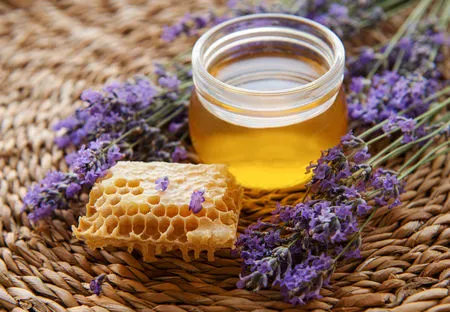
Lavender honey is distinguished by its golden to pale yellow color, sometimes slightly amber. In its liquid state, it is clear and bright. Over time, it crystallizes finely, becoming creamy and easy to spread.
Taste and aromas
This single-flower honey captivates with its delicate floral aromas, fruity and vanilla notes, and its sweet and refined flavor. Its taste lingers on the palate without any bitterness, making it a honey that is highly appreciated by connoisseurs and children alike.
Beekeeping and expertise
Lavender honey is the result of traditional beekeeping expertise passed down from generation to generation. Beekeepers take care to respect nature and the health of bees to ensure high-quality honey.
In addition, certain products benefit from a PDO (Protected Designation of Origin) label for Provence honey, a guarantee of quality and traceability.
Uses of lavender honey in cooking
In hot beverages
A few spoonfuls of lavender honey in herbal tea, infusions, or tea add a subtle floral note and are a great substitute for refined sugar.
As an accompaniment to cheese
It is one of the favorite accompaniments to cheese platters. It pairs particularly well with fresh goat cheese, sheep cheese, or creamy blue cheese.
In pastries and desserts
Lavender honey is used in many Provençal recipes: nougat, calissons, cookies, and gingerbread. It can also be drizzled over yogurt, cottage cheese, or fresh fruit for a simple and refined dessert.
In savory dishes
In cooking, it is also used as a base for marinades for white meats (chicken, turkey, rabbit) or to flavor roasted vegetables. Its delicate taste adds a touch of originality to sweet and savory dishes.
Traditional benefits of lavender honey
(No medical claims, only traditionally recognized properties)
-
Natural energy booster: thanks to its high glucose and fructose content, it provides quickly absorbed energy.
-
Soothing: traditionally used to soften the throat and relieve irritation associated with seasonal changes.
-
Antioxidants: contains compounds that help fight free radicals.
-
Digestion: appreciated for its mildness, it is often recommended after a heavy meal.
A local product with a strong identity
Lavender honey is more than just a delicacy. It embodies Provence and its art of living. Its production contributes to the preservation of lavender fields and supportslocal beekeeping, which is essential to biodiversity.
How can you recognize real lavender honey?
To avoid counterfeits, here are a few tips:
-
Check the label: look for the words "lavender honey" or "Provence PDO honey."
-
Observe its color: generally clear and golden.
-
Taste: its sweetness and floral aroma are inimitable.
-
Prioritize purchasing fromlocal beekeepers or brands specializing in authentic beekeeping.
Where can I buy lavender honey?
You can find lavender honey:
-
At Provence beekeepers' stalls at markets and fairs.
-
Online, on websites specializing in artisanal honey.
-
In delicatessens and organic stores.
For example, discover our Fine Lavender Honey from Ruche & Flore a delicate and creamy honey, harvested with respect for bees and nature.
Conclusion
Lavender honey is much more than just a natural sweetener. It is a treasure of Provence, combining deliciousness, tradition, and benefits that have been recognized since time immemorial. Its refined taste, subtle aromas, and versatility in cooking make it an essential product for all honey lovers.
By incorporating it into your diet, you will not only enjoy a unique taste experience, but also a natural and authentic product, the result of the work of bees and the expertise of beekeepers.


