
Why are bees essential to our survival?
Bees, silent guardians of our planet
Although often inconspicuous, bees play an essential role in the balance of nature and the survival of humanity. These small insects, which have been on Earth for millions of years, perform an irreplaceable ecological function: pollination.
Without them, most flowering plants, and therefore a large part of our food supply, would disappear within a few decades. Understanding the importance of bees means understanding how closely our future is linked to that of these incredible workers.
1. Bees, pillars of pollination
An essential link in the natural chain
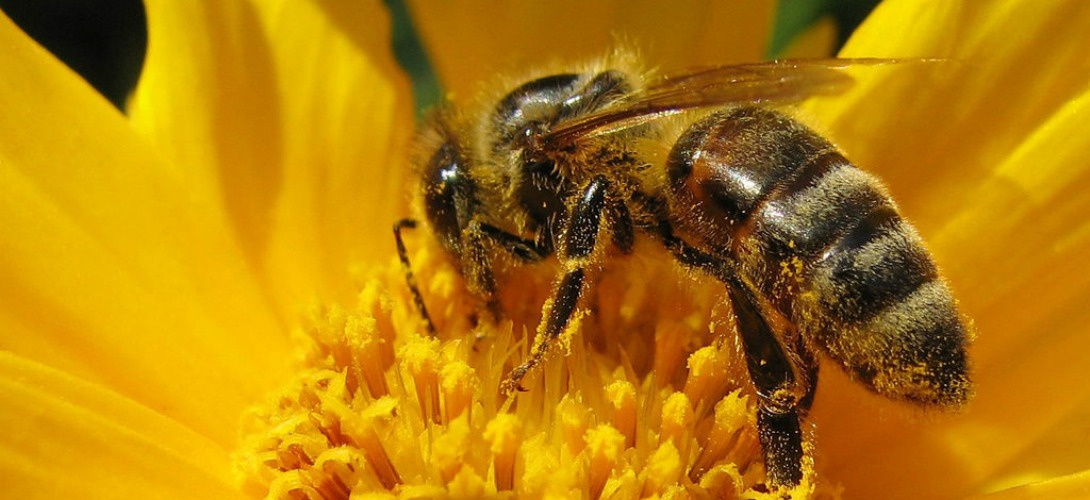
Pollination is the process by which pollen from one flower is transferred to another, enabling fertilization and the formation of fruits and seeds. Bees play a key role in this process: as they gather nectar, they naturally transport pollen from one flower to another.
This simple act, repeated millions of times, is responsible for more than 75% of global fruit, vegetable, and seed production. Without bees, it would be impossible to grow many species such as apples, cherries, zucchini, almonds, and sunflowers.
Threatened food diversity
The disappearance of bees would lead to a drastic reduction in food diversity. Certain essential foods would become scarce or even unavailable. Others, such as cocoa and coffee, would suffer a major decline in production.
Bees therefore contribute not only to the beauty of flower-filled landscapes, but also to our food security.
2. Valuable allies for ecosystems
Biodiversity depends on it
Bees play a central role in maintaining biodiversity. By ensuring the reproduction of plants, they enable countless species to coexist: flowers, fruit trees, wild herbs, but also the animals that feed on them.
Each foraging trip helps to sustain an entire ecosystem. Where bees disappear, landscapes become devitalized: grasslands become poorer, trees renew themselves less, and the food chain becomes impoverished.
A fragile natural balance
Bees are considered indicators of environmental health. Their decline is often a sign of a wider imbalance: pollution, excessive use of pesticides, intensive monoculture farming, or climate change.
Protecting bees therefore also means preserving the stability of the ecosystems on which we depend.
3. Outstanding producers: honey, wax, and propolis
A thousand years of expertise
Beyond their ecological role, bees provide humans with products of exceptional richness: honey, wax, pollen, propolis, and royal jelly.
Honey, the fruit of their meticulous labor, is a natural source of energy and gustatory pleasure. Beeswax is used to make candles, cosmetics, and natural cleaning products. Propolis and royal jelly, meanwhile, are used in cosmetics and apitherapy for their protective properties.
A local economy worth preserving
In Switzerland, as elsewhere, beekeeping helps to preserve rural traditions and maintain agricultural landscapes. By raising their colonies, beekeepers promote crop pollination and actively contribute to the protection of bees.
Supporting bee products therefore means promoting a sustainable economy that respects nature and producers.
4. Threats to bees
Pesticides and intensive farming
One of the main dangers to bees comes from certain neonicotinoid pesticides, which disrupt their nervous system. These chemicals disorient them, prevent them from finding their way back to their hive, and reduce their life expectancy.
Intensive monocultures also deprive bees of floral diversity, condemning them to a monotonous and impoverished diet.
Climate change
Temperature variations disrupt the flowering calendar of plants. Bees, whose cycles are closely linked to those of flowers, sometimes find themselves without nectar when they need it most.
Droughts, mild winters, or early springs affect the availability of resources and the health of colonies.
Pests and diseases
The Varroa destructor parasite, present in most European hives, weakens bees by feeding on their hemolymph. This scourge, which is difficult to eradicate, makes colonies more vulnerable to viruses and fungi.
5. How everyone can take action to protect bees
Plant, sow, preserve
The first way to help bees is simple: plant honey plants. Lavender, thyme, clover, sunflowers, sage, borage, or cosmos... These plants feed pollinators from spring to fall.
Even a small balcony with flowers or an urban garden can become a refuge for bees. It is also essential to stop using chemical pesticides in favor of natural solutions.
Raise awareness and pass on knowledge
Finally, everyone can help raise awareness about the role of bees. Whether through schools, associations, or simply among friends and family, talking about bees is already a step toward protecting them.
6. A shared future to protect
Bees are much more than just pollinating insects: they are a vital link in our survival. Without them, the balance of nature, our food supply, and our landscapes would gradually collapse.
Preserving bees means preserving our future. It means recognizing that our well-being depends on the health of the planet and those who, every day, ensure its continuity.
Conclusion
Bees offer us much more than honey: they remind us that life depends on fragile balances, patiently built up over time.
They pollinate flowers, nourish plants, maintain biodiversity, and contribute to the beauty of the world. Their disappearance would be an irreversible loss for nature... and for us.
At Ruche & Flore, we celebrate and protect these tireless workers by promoting their treasures. Honey, wax, and propolis, sourced from local, sustainable beekeeping. Because protecting bees also means caring for humanity.


