
Honey vinegar: a natural, artisanal condiment full of character
Honey vinegar is one of those rare products that is still relatively unknown to the general public but appreciated by gourmets, lovers of natural products, and those curious to diversify their cooking. Made from fermented honey, this mild and aromatic vinegar has a beautiful complexity, ideal for enhancing everyday recipes as well as refined dishes.
In this article, discover its origins, how it is made, its uses in cooking, its specific characteristics, and what makes it an essential ingredient in natural cooking.
What is honey vinegar?
Honey vinegar, sometimes called mead vinegar, is obtained through the natural fermentation of a mixture of water and honey. Once the honey has been transformed into mead, it undergoes acetic fermentation thanks to bacteria naturally present in the air.
100% natural vinegar
Unlike industrial vinegars, which are often filtered, heated, or pasteurized, artisanal honey vinegar is produced using a slow, traditional process.
It is distinguished by:
- Natural sweetness
- Floral notes inherited from the original honey
- A unique aromatic subtlety
Its amber color and roundness on the palate make it a highly prized condiment for fine cuisine.
How is honey vinegar made?
1. Mead: the first step
Honey vinegar begins with the production of mead.
The beekeeper or artisan mixes:
- Honey
- Water
- And let the natural yeasts convert the sugar into alcohol.
This initial fermentation generally lasts a few weeks.
2. Acetic fermentation
Once the mead has been obtained, it is exposed to air in a large, shallow container. Acetic bacteria then convert the alcohol into acetic acid:
→ This is how vinegar is made.
3. Slow maturation
The artisanal honey vinegar is then left to mature for several months.
This step gives it:
- Greater complexity
- Round aromas
- Excellent stability
Each batch is unique, depending on the type of honey used, the fermentation time, and the artisan's expertise.
The characteristics of honey vinegar
A sweet and floral taste
Honey vinegar has a distinctive taste:
- Natural softness
- Floral notes
- Slightly acidic but not harsh
- Round and balanced aroma
It is perfect for those who find wine vinegar or white vinegar too strong.
A warm color
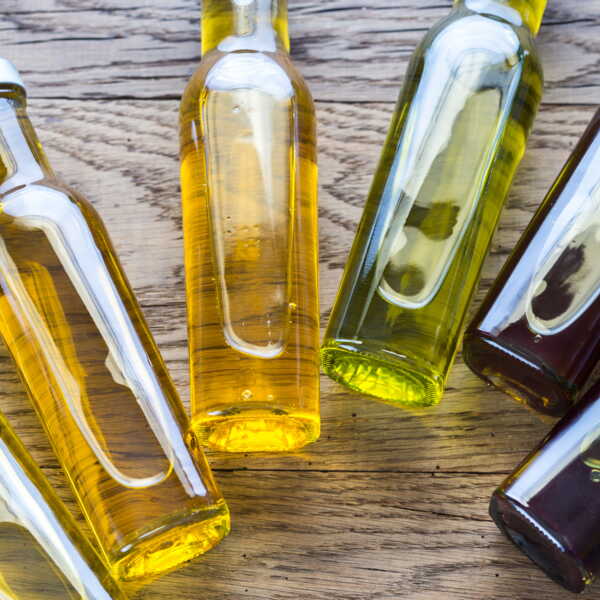
Its color varies from light golden to dark amber, depending on the honey used. Dark honeys (chestnut, fir, etc.) produce a more intense vinegar, while mild honeys (acacia, spring flowers) create a lighter vinegar.
A rare artisanal product
Honey vinegar is less common than cider vinegar or wine vinegar.
Its production requires:
- Time
- Patience
- High-quality honey
- Mastering fermentation
It is therefore particularly sought after by lovers of exceptional products.
How can honey vinegar be used in cooking?
Honey vinegar is a versatile ingredient that can be used in both savory and sweet dishes.
1. For salad dressings and seasonings
Its gentle nature makes it ideal for:
- Green salads
- Raw vegetables (carrots, cabbage, beets)
- Quinoa salads
- Vegetarian dishes
A simple vinaigrette:
honey vinegar + olive oil + mustard + salt + pepper → delicious.
2. For deglazing and cooking
Honey vinegar is ideal for:
- Deglaze white meat (poultry, pork)
- Serve with salmon
- Prepare sweet and sour sauces
- Remove roasted vegetables
It adds an aromatic roundness that wine vinegar does not have.
3. With marinades
It is excellent for marinades thanks to its sweet and sour balance:
- Honey-marinated chicken + honey vinegar + thyme
- Marinated vegetables for grilling
- Fish in a mild marinade
4. In the sweet kitchen
Honey vinegar may seem surprising, but it pairs wonderfully with:
- Sautéed fruit
- A strawberry salad
- Apple-based desserts
- Moist cakes (a few drops in the batter)
It adds depth without overpowering the flavors.
5. For beverages and infusions
Without going into therapeutic concepts, it can be used to prepare:
- Refreshing beverages
- Syrups
- Flavored herbal teas
Its mild flavor goes very well with water, lemon, herbs, and honey.
Why choose artisanal honey vinegar?
A local and natural product
Artisanal honey vinegar highlights the work of bees and beekeepers.
It is based on:
- High-quality honey
- Natural fermentation
- A gentle transformation
Traditional expertise
Each batch is carefully crafted. The artisan must monitor:
- The temperature
- Fermentation time
- Acetification
- Maturation
Each batch is unique, making honey vinegar rare and precious.
How should honey vinegar be stored?
Like all natural vinegars, it keeps very well.
At room temperature
In a cupboard or on a shelf, away from excessive heat.
In a tightly closed bottle
To preserve its aromas.
Without refrigeration
Cold weather is not necessary.
Honey vinegar may change slightly over time: this is normal and natural.
Conclusion: a handmade product worth discovering
Honey vinegar is an authentic, mild, aromatic, and versatile condiment.
It adds a delicious and natural touch to modern cuisine.
Produced using traditional methods, it is a wonderful way to showcase honey and the work of bees.
In salads, marinades, on fish, or in desserts, honey vinegar can be used anywhere.
At Ruche & Flore, it is part of a commitment to quality, craftsmanship, and respect for the product, offering lovers of natural flavors an original and refined culinary experience.


